Rich history
The cultural and historical background of these ships is deeply rooted in the maritime history of countries such as the Netherlands, Belgium and Scandinavian countries such as Norway. The Icelandic vessels were essential to the economies of these countries, as they provided an important source of income through fishing.
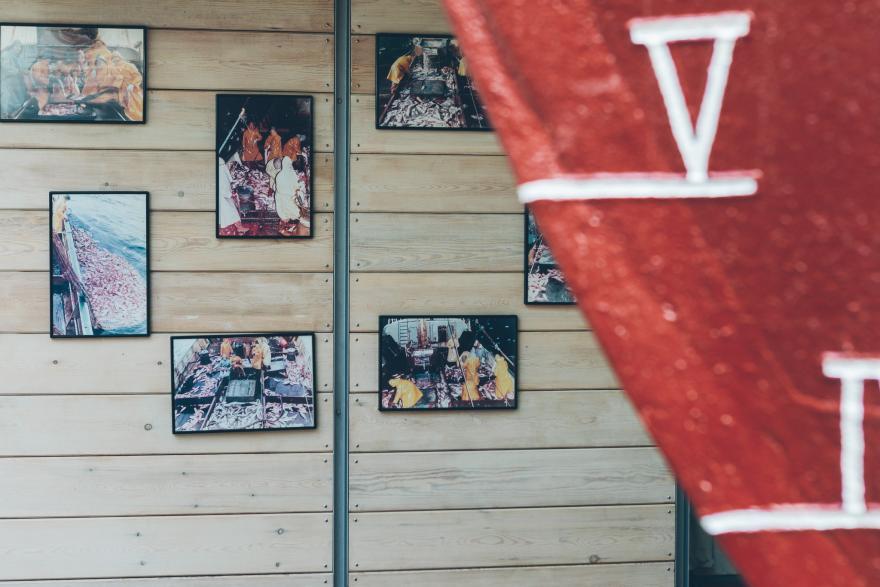
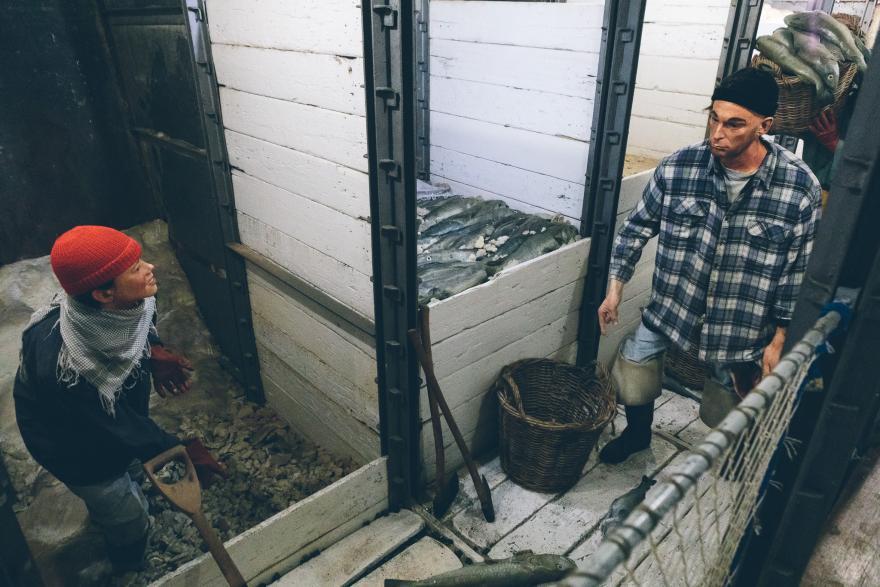
These ships sailed long distances to the waters around Iceland, where they searched for fish, mainly cod. The voyages were often arduous and dangerous due to the rough seas and harsh weather in that area. Life on board these ships was hard and demanding, but it was also an important part of the culture of the maritime communities that manned them.
Today, the Icelandic vessels are an important part of the maritime heritage of the countries from which they originally came. They are often remembered and honoured as symbols of the courage and perseverance of the fishermen who worked on these vessels, and as a reminder of an era when fishing was one of the most important industries in these regions.
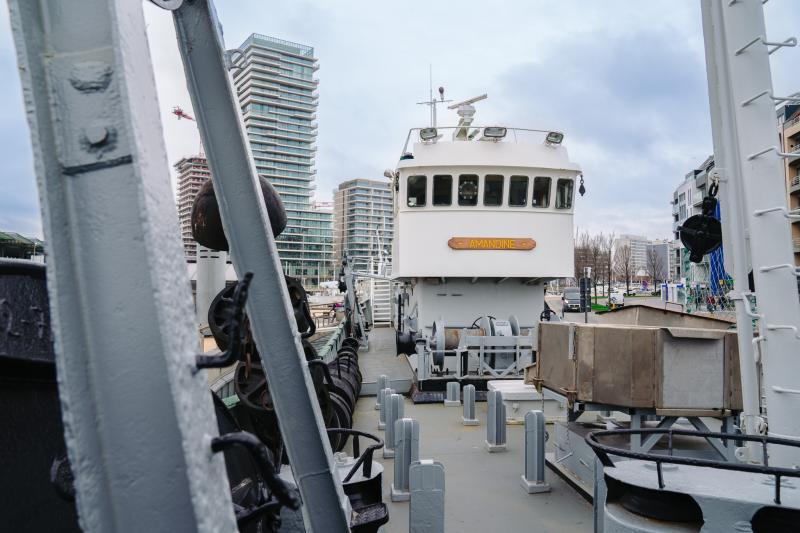
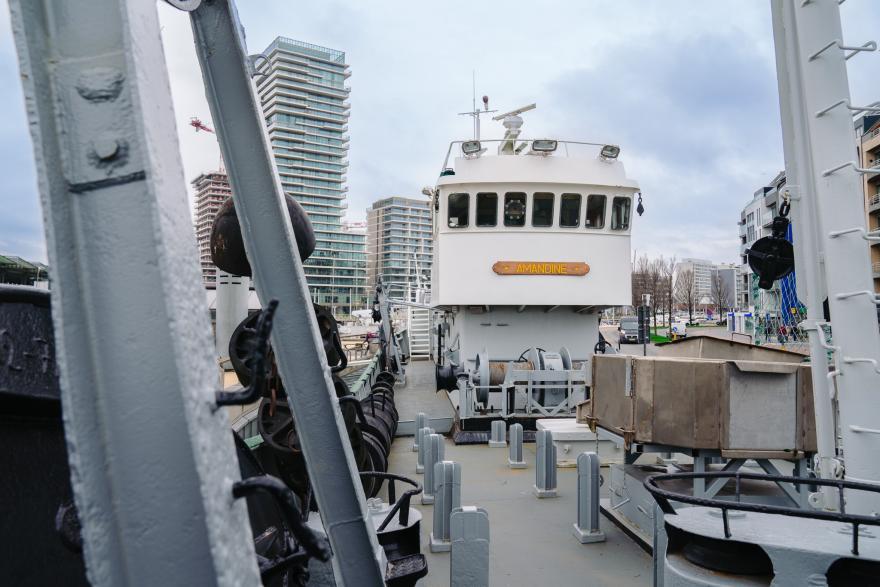
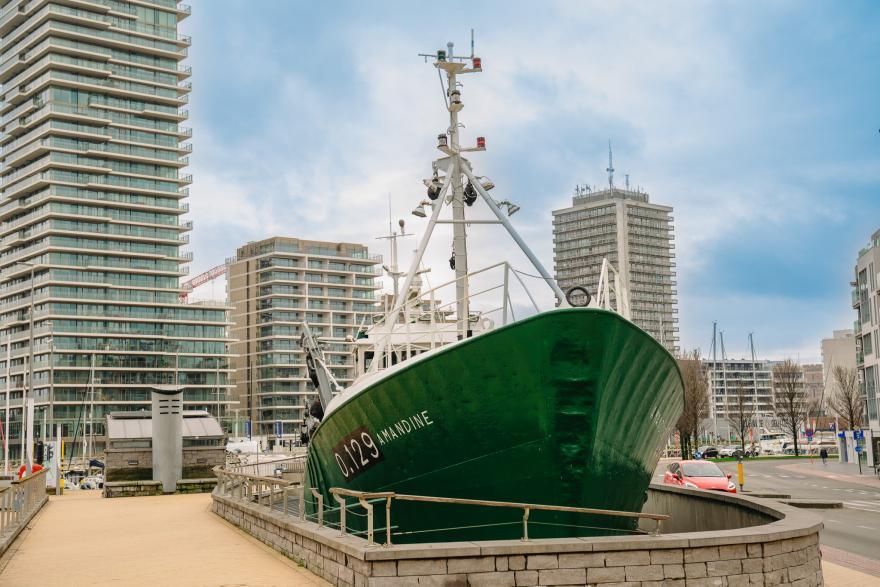
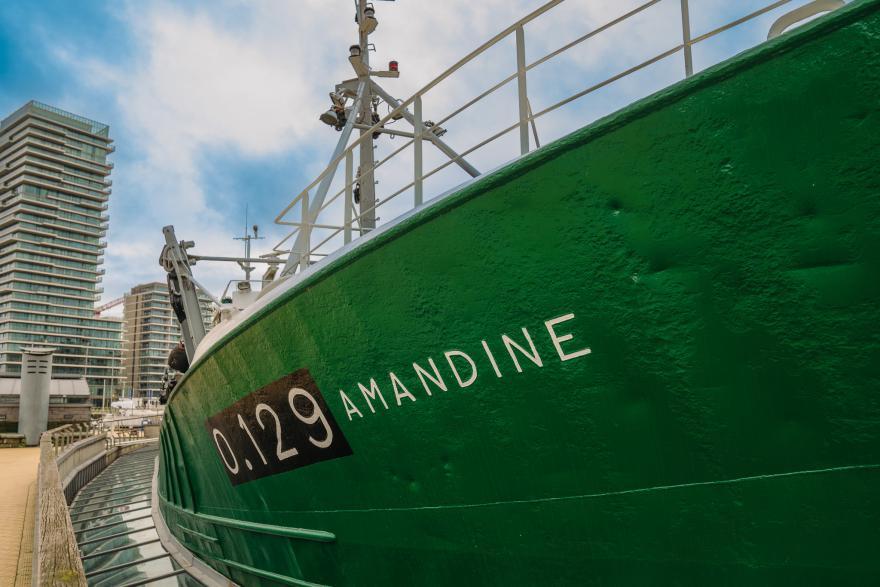
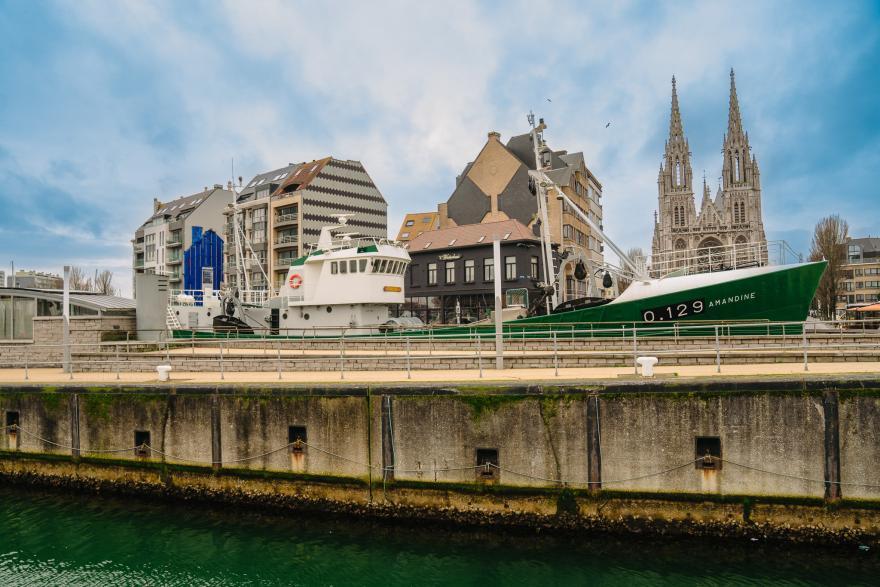
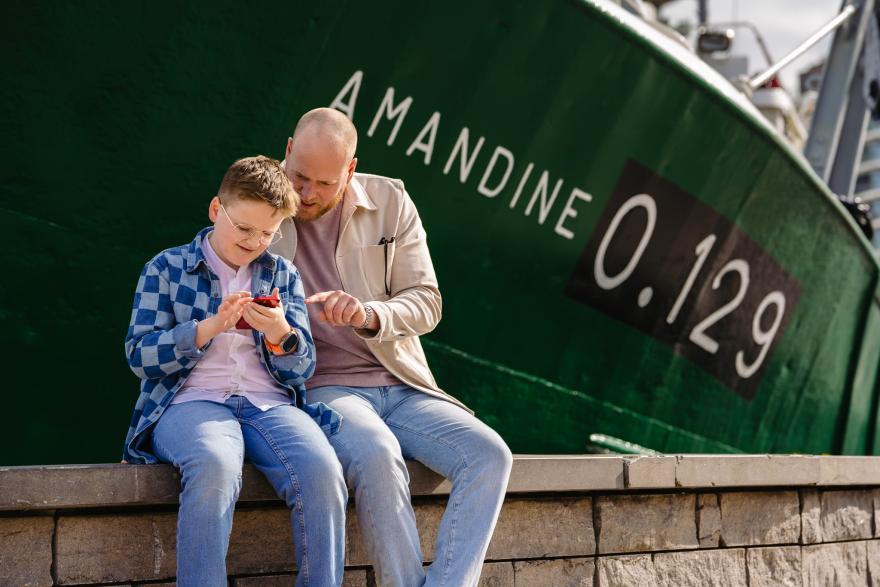
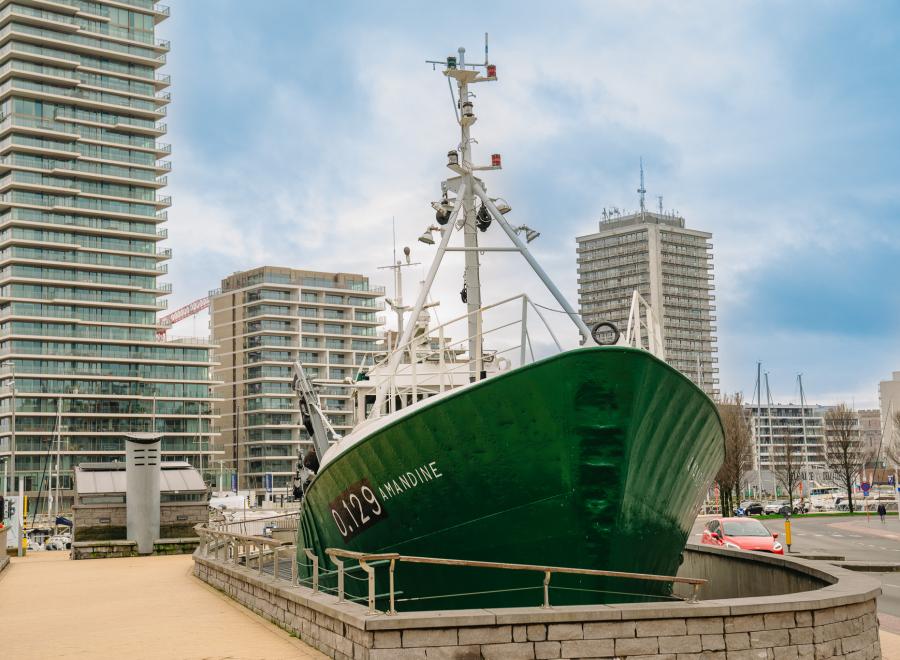
0.129 Amandine
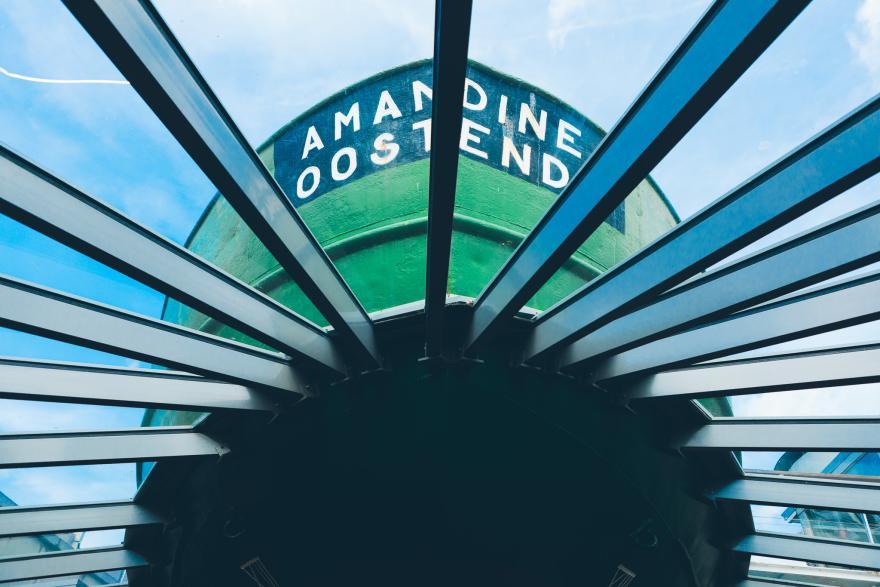
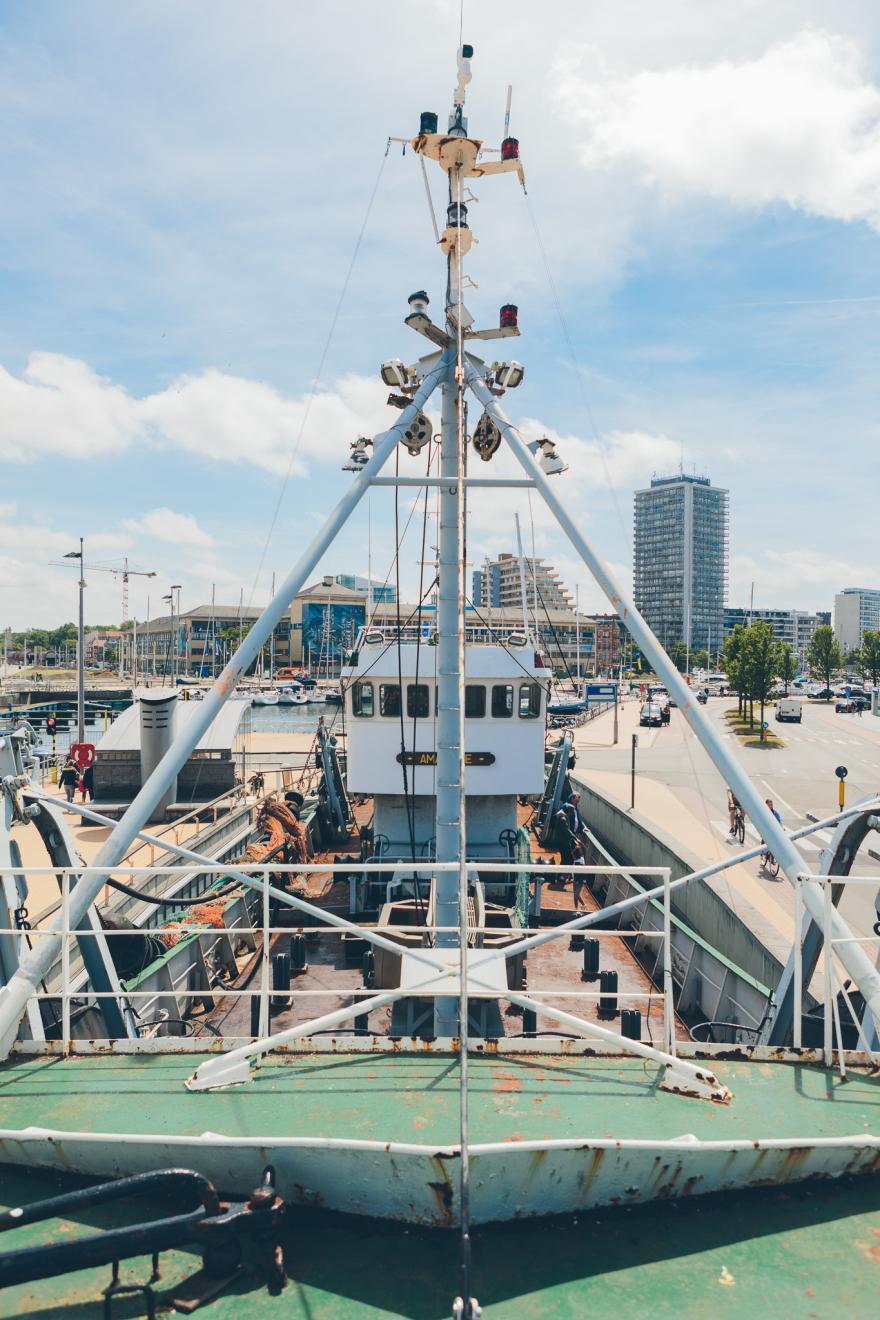
The O.129 Amandine was launched on 27 September 1961 at Richard Panesi Senior's shipyard in the Fishing Dock of Ostend. It was built for the shipping company owned by Engel Verhaeghe and his son-in-law Pieter Vincent. The ship was christened the Amandine after Engel Verhaeghe's wife, Amandine Danneel. On Tuesday 20 March 1962, the ship set sail on its maiden voyage to Iceland. Initially, the Amandine only fished in the fishing grounds around Iceland during the summer. During the winter, the ship opted for the less icy environment of the North Sea and the English Channel.
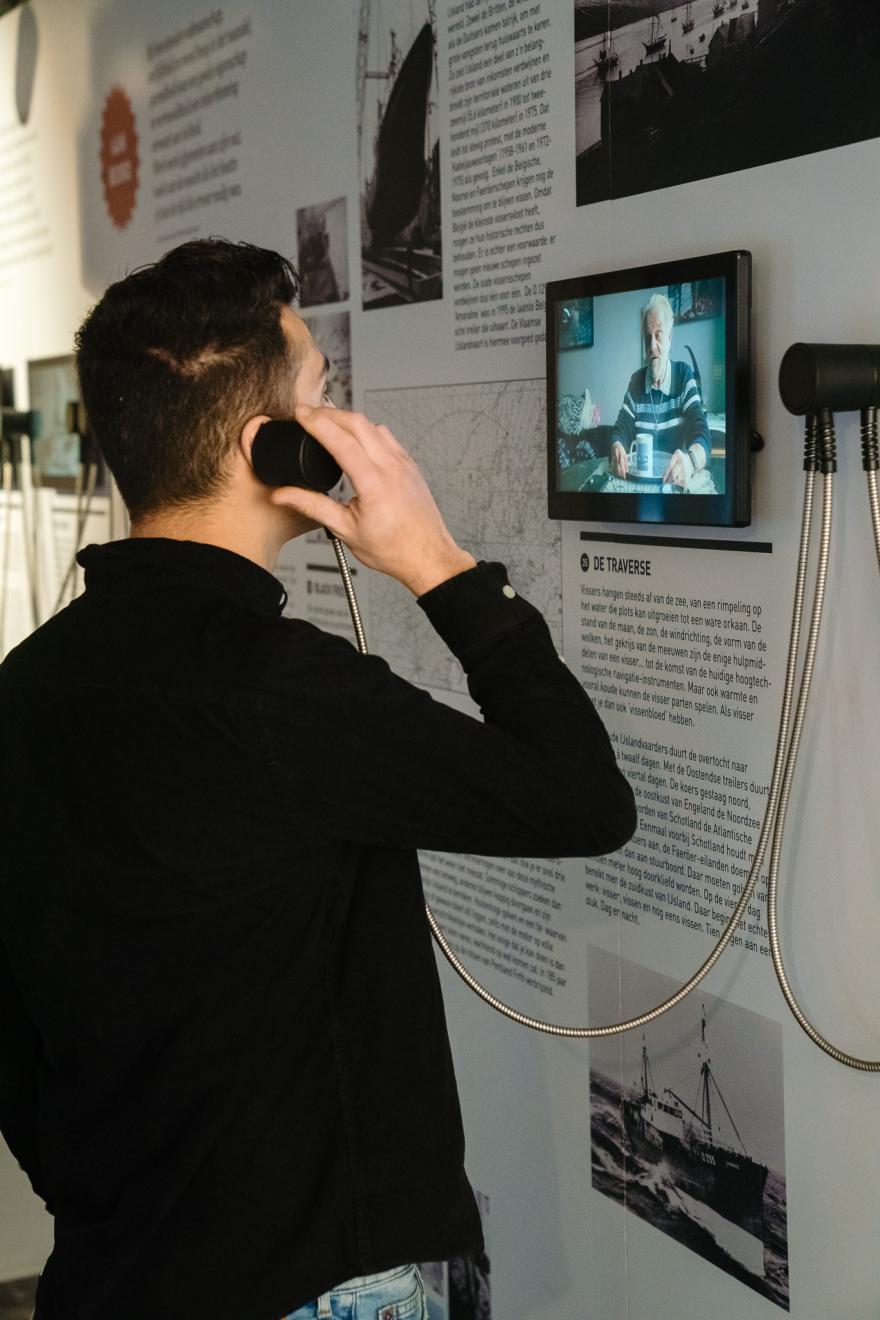
IJslandvisserij
The Amandine was launched at a time when Icelandic fisheries were at a turning point due to the expansion of Icelandic territorial waters. In 1958, the zone in which foreign vessels were no longer allowed to fish was extended to 12 nautical miles (22 kilometres). The Icelandic government wanted to protect its own fishing industry and prevent the depletion of fish stocks. The extension of Iceland's exclusive economic zone to 50 nautical miles in 1972 and then to 200 nautical miles (370 km) in 1975 dealt a fatal blow to Icelandic fishing. Enforcement of the zone led to several incidents between fishing vessels and the Icelandic coastguard, known as the Cod Wars, in which even British naval vessels were deployed. The large fleet of mainly British and German fishing vessels was subsequently rapidly reduced. The fisheries agreements between Belgium and Iceland of 7 September 1972 and 28 November 1975, on the other hand, provided for the gradual phasing out of the Belgian Icelandic fleet. The nineteen Belgian Icelandic fishermen listed by name, including the O.129 Amandine, were allowed to continue fishing in Iceland in seven designated zones, unlike British and German vessels. The phasing-out measure consisted of not replacing vessels when they were taken out of service.
The simultaneous oil shock, in which the OPEC countries sharply increased oil prices in 1973, made fishing in Iceland increasingly unprofitable. A vessel such as the Amandine consumed 1,500 to 1,800 litres of diesel per 24 hours. An 18-day campaign consumed approximately 31,000 litres of fuel. The Belgian Icelandic fishing fleet steadily declined from the mid-1970s onwards as vessels were lost in accidents or taken out of service. In 1980, there were still twelve Belgian vessels fishing in Iceland, by the end of 1985 there were six, and by 1988 only three. In 1993, the Amandine was the only vessel still fishing in Iceland.
Ostend
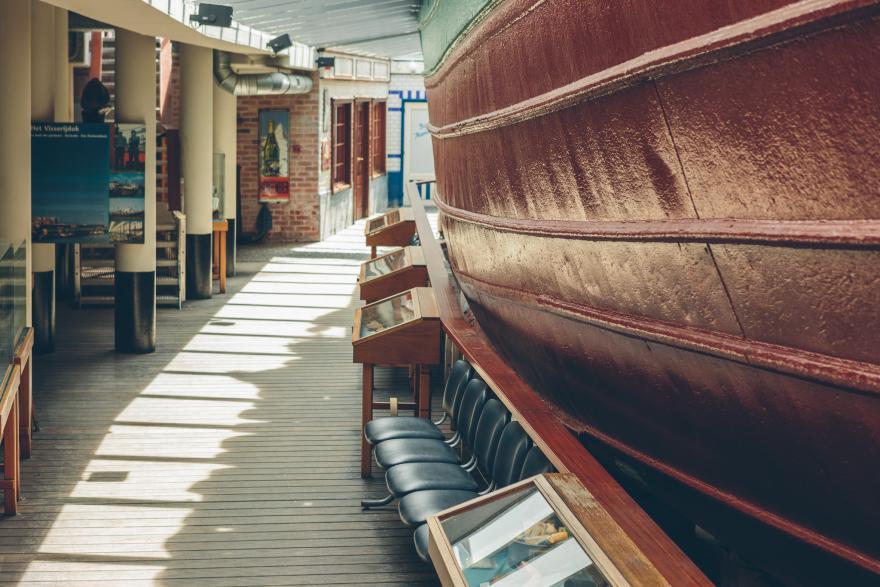
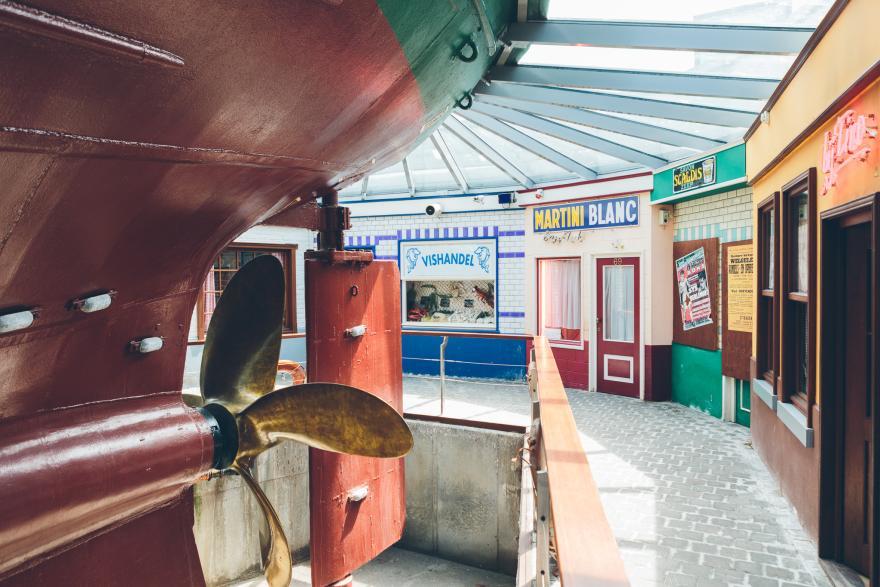
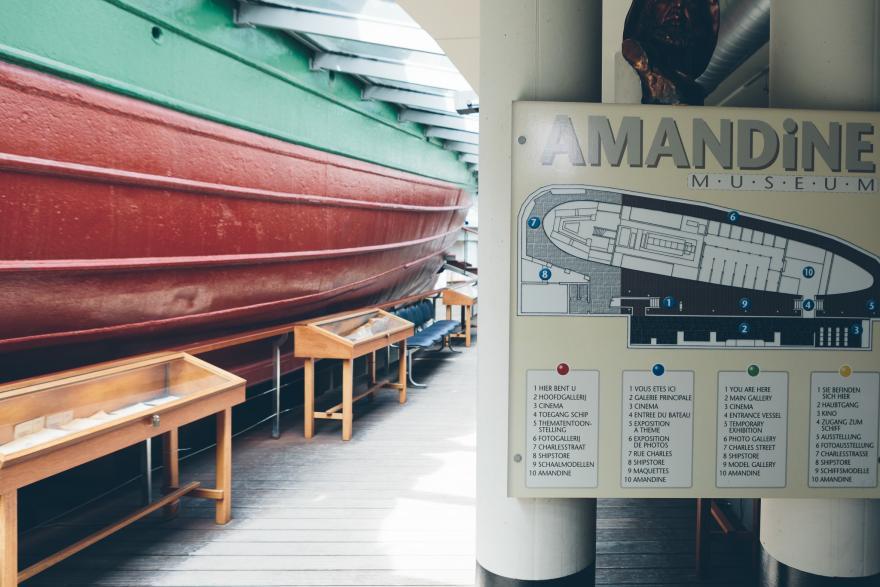
On 3 April 1995, the Amandine entered the port of Ostend for the last time. A few days later, on 6 April 1995, the Amandine was removed from the official list of fishing vessels. The shipowner Willy Versluys and the city of Ostend agreed to convert the Amandine into a museum dedicated to Icelandic fishing.
Technical characteristics
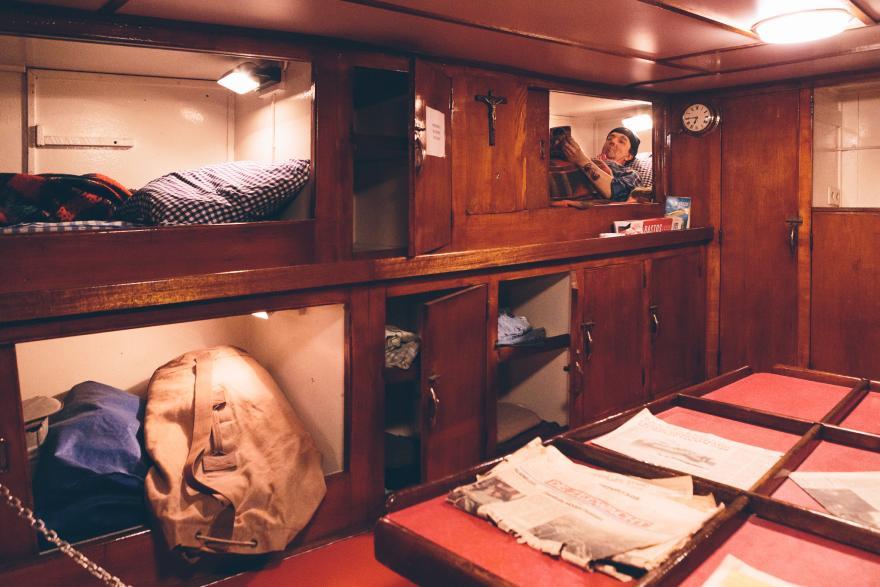
The Amandine is 36 metres long (32.5 metres between perpendiculars), 6.7 metres wide, has a draught of 3.9 metres, a fish hold with a capacity of 65 tonnes, a 510 hp industrial engine and can carry 10 crew members on board. However, it was always fished with only 8 crew members.